

Prototype contracts pit established defense giants against agile startups in a race to shape the future of orbital missile interception. Gemini
Startups Gain Foothold in U.S. Missile Defense with Golden Dome Awards
True Anomaly and Anduril may change from experimental vendors into prime contractors, challenging traditional defense powerhouses.
The U.S. Space Force has launched the competitive phase of its ambitious "Golden Dome" missile defense initiative, awarding a series of prototype contracts on November 25 that pit established defense giants against agile technology startups.
According to sources briefed on the matter, the initial contracts have been awarded to a diverse group of vendors, including heavyweights Northrop Grumman and Lockheed Martin, as well as newer defense technology firms Anduril Industries and True Anomaly.
The Pentagon's selection of four vendors for the Golden Dome missile defense prototypes defines a moment that validates the commercial space industrial base while forcing traditional defense giants to defend their territory. Although the initial contract values range from small study funds to ten-million-dollar development checks, the strategic implications for the companies involved are substantial.
For newer technology firms like True Anomaly and Anduril Industries, these contracts represent the transition from experimental vendors to potential prime contractors for a major weapons system.
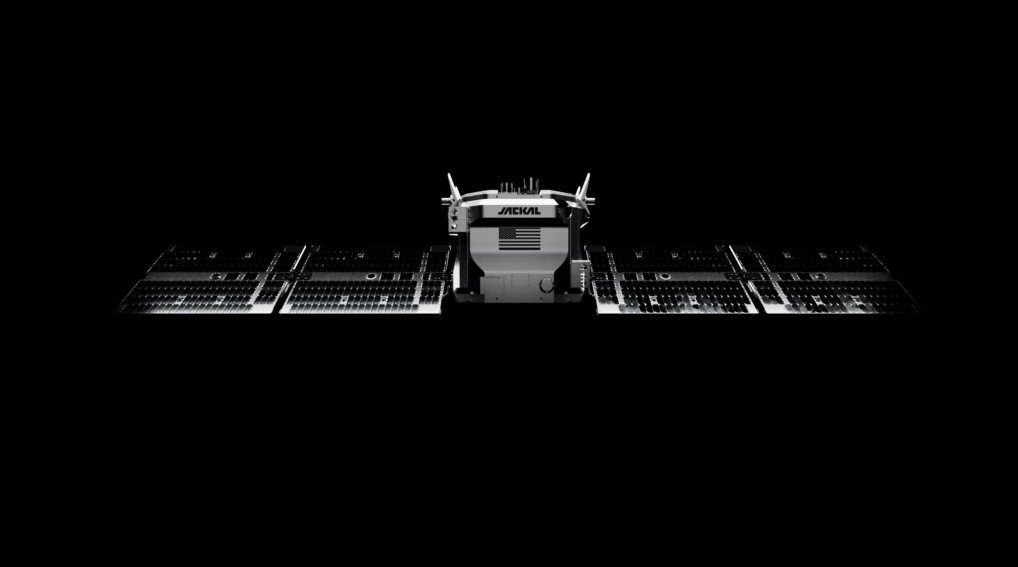
Jackal autonomous orbital vehicle (AOV). Image - True Anomaly
This award offers existential validation for Colorado-based True Anomaly. The company has previously pitched its Jackal satellites primarily for intelligence and inspection tasks. Winning a kinetic interceptor contract proves their technology is precise enough to be trusted with the physical destruction of targets, which is a much higher bar of difficulty and trust than surveillance requires. Furthermore, startups often struggle to bridge the gap between small research grants and massive government programs. This contract serves as a direct bridge across that divide. If True Anomaly or Anduril secures the large test prize, it establishes them as long-term players in the defense sector.
Anduril specifically benefits by demonstrating it is a full-spectrum prime contractor. The company has already mastered land and air systems, so winning a space contract signals they can replace legacy firms entirely rather than just augmenting them. Their participation tests the theory that software-focused companies can handle the split-second decision-making required for boost phase interception better than traditional hardware approaches.
Established giants like Northrop Grumman and Lockheed Martin view these contracts as defensive wins necessary to survive in a changing market. Missile defense is a core revenue pillar for both companies through existing ground-based systems. If a startup proves it can build a space-based interceptor for a fraction of the traditional cost, the primes risk seeing their market share shrink. By competing in this prize pool structure, these giants are attempting to prove to Congress that they can operate with the agility of a startup.
Both companies are also hedging their bets. They know that ground-based missile defenses can only do so much against modern hypersonic weapons. As the focus shifts to space, securing these new contracts gives them control over the next generation of orbital defenses instead of being sidelined. The Golden Dome awards have set up a clear contest between Silicon Valley’s fast-moving style and the traditional defense industry’s deep engineering experience. Whoever wins the large prize pool will likely shape the core of America’s missile defense system for decades to come.